
Cannabis Genus Overview
The genus Cannabis belongs to the family Cannabaceae (which also includes hops). It is a dioecious (separate male and female plants), annual flowering herb. Taxonomy has been debated for centuries: some botanists recognize it as a single highly variable species (Cannabis sativa L.) with subspecies, while others accept three primary species: Cannabis sativa, Cannabis indica, and Cannabis ruderalis. A fourth name, Cannabis chinensis, appears in historical classifications but is not widely accepted as a distinct modern species.
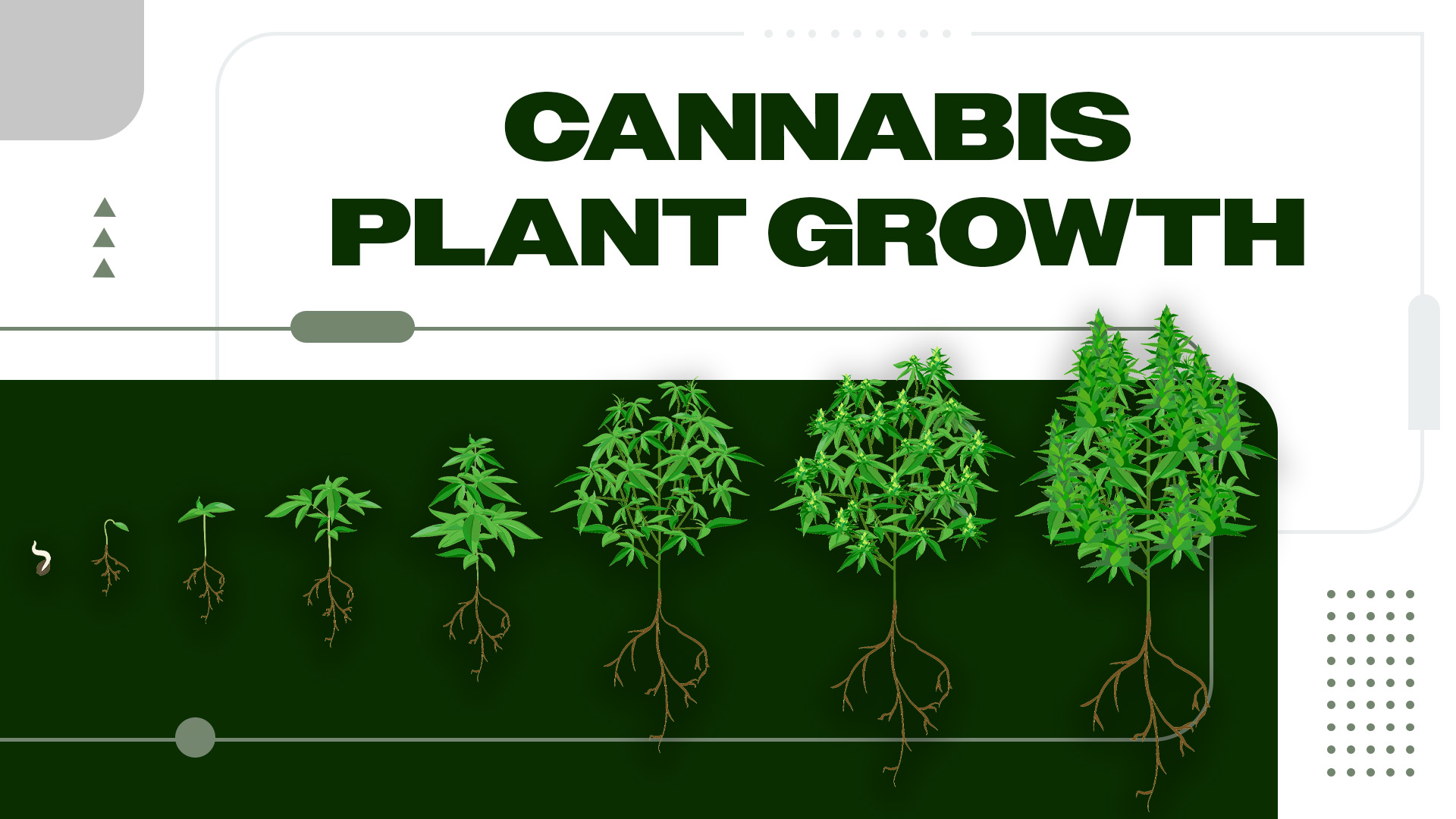 |
Taxonomical Classification (simplified modern consensus)
- Kingdom: Plantae
- Order: Rosales
- Family: Cannabaceae
- Genus: Cannabis L.
- Recognized species (disputed): C. sativa, C. indica, C. ruderalis
Cannabis chinensis was proposed in older systems (e.g., de Candolle) as a fiber-hemp form linked to Chinese cultivars and is now generally folded into C. sativa subsp. sativa (hemp-type plants). Molecular and chemotaxonomic studies support three main groups based on morphology, cannabinoids, and geography.
Origins and History Cannabis is native to Central Asia (possibly the Himalayan foothills or wet habitats across Asia). It has been cultivated by humans for over 12,000 years for fiber, food, medicine, and ritual use. It spread along ancient trade routes to Europe, Africa, and the Americas.
General Uses
- Industrial hemp (low-THC <0.3%): fiber for textiles, paper, rope, building materials; seeds/oil for food and cosmetics.
- Medicinal: cannabinoids (THC, CBD, etc.) for pain, nausea, epilepsy, anxiety, inflammation.
- Recreational: psychoactive THC effects vary by type.
- Breeding: ruderalis genetics create autoflowering hybrids.
Detailed Profiles of Each Species (with cultivation notes)
1. Cannabis sativa
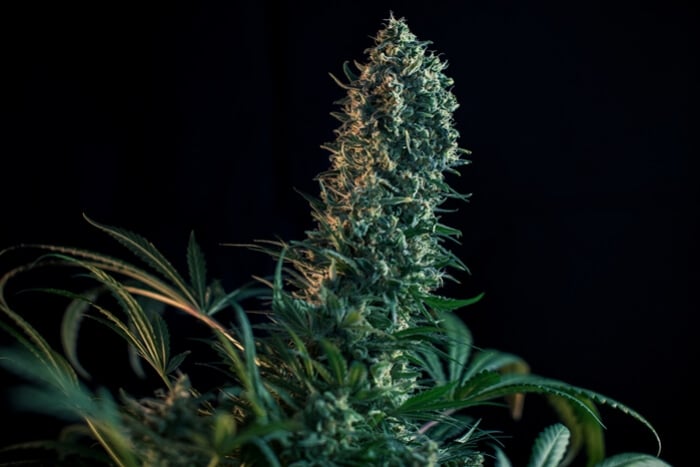
- Morphology: Tall (up to 4–6 m), slender, narrow leaflets, light green. Loose, elongated flower clusters (colas). Longer internodes.
- Origin: Broadly Eurasian; fiber types from temperate regions.
- Uses: Industrial fiber/hemp (strong stalks); uplifting, cerebral, energizing effects when high-THC. Also seed oil.
- Cultivation specifics:
- Prefers long vegetative growth (tall plants need space).
- Flowering: 10–16 weeks (photoperiod-dependent).
- Best suited to outdoor grows in warm, equatorial climates with long seasons. Indoor possible but requires high ceilings and training (e.g., SCROG).
- Yield: High biomass but airy buds.

2. Cannabis indica
- Morphology: Short and bushy (1–2 m), broad dark-green leaflets, dense compact buds, short internodes. Stronger odor.
- Origin: Mountainous regions of India, Pakistan, Afghanistan, Central Asia.
- Uses: Sedating, relaxing “body high”; dense resinous buds ideal for hashish and concentrates; medicinal for pain/sleep.
- Cultivation specifics:
- Compact size → excellent for indoor grows (limited height).
- Flowering: 8–10 weeks (faster than sativa).
- Tolerates cooler temperatures and higher humidity better than sativa.
- Higher yield of dense buds per square foot.


3. Cannabis ruderalis
- Morphology: Small (0.3–1 m), wild-looking, sparse foliage, low THC (often <1%), higher CBD potential.
- Origin: Central/Eastern Europe, Russia, Central Asia (feral “weedy” plants).
- Uses: Rarely consumed directly (low psychoactivity); primary use is breeding autoflowering hybrids (e.g., Lowryder). Adds fast finish and CBD to modern strains.
- Cultivation specifics:
- Autoflowering (flowers after 3–4 weeks regardless of light cycle).
- Total life cycle: 10–12 weeks from seed.
- Very hardy, pest-resistant, but low yield. Ideal for beginners, short seasons, or stealth grows. Hybrids combine ruderalis speed with sativa/indica quality.


4. Cannabis chinensis
- Morphology: Not distinctly illustrated in modern sources; historically described as tall, fiber-oriented plants similar to northern European/Chinese hemp.
- Origin: Historical reference to Chinese hemp cultivars.
- Uses: Primarily industrial (fiber, seeds); low psychoactivity.
- Cultivation specifics: Treated as a C. sativa fiber type — tall growth, long season, focused on stalk biomass rather than flowers. Modern equivalents are industrial hemp varieties grown outdoors in temperate climates.

Comprehensive Cannabis Cultivation Guide (Educational and botanical information only – not a recommendation or endorsement of illegal activity)
Critical Legal Note Cannabis cultivation, possession, sale, and use remain illegal in Nepal under the Narcotic Drugs (Control) Act of 1976. Penalties can include fines or imprisonment. Some provinces (e.g., Gandaki) have discussed medicinal or industrial legalization, but as of April 2026, no nationwide framework allows personal or commercial growing. Traditional cultural/religious use occurs during festivals like Shivaratri, but this does not legalize cultivation. Always verify current local laws in your area (Kathmandu or elsewhere) before any activity. This guide is purely for learning about the plant’s botany and horticulture.
Cannabis (Cannabis sativa, C. indica, C. ruderalis, and historical fiber types like C. chinensis) is an annual dioecious herb. Modern cultivation focuses on female plants (sinsemilla) for flowers rich in cannabinoids. Hybrids dominate today, blending traits from all species.
1. Planning & Strain Selection
- Choose based on species/goal:
- C. sativa: Tall (up to 4–6 m), long flowering (10–16 weeks), uplifting effects; best outdoor in long-season areas.
- C. indica: Bushy (1–2 m), dense buds, 8–10 weeks flowering; ideal for indoor or small spaces.
- C. ruderalis: Autoflowering (flowers in 10–12 weeks total regardless of light), short & hardy; great for beginners or short seasons.
- C. chinensis / hemp types: Low-THC fiber/seed focus; tall outdoor plants.
- Feminized or autoflowering seeds recommended to avoid males.
- Climate in Kathmandu (subtropical highland): Mild days (15–25 °C), monsoon humidity → indoor or greenhouse preferred to prevent mold.
2. Germination (1–7 days)
- Methods: Paper towel (most reliable) or direct in starter plugs.
- Keep 22–26 °C, 70–90% humidity, dark.
- Tap water or pH 6.0–6.5.


3. Seedling Stage (1–3 weeks)
- Light: 18–24 hours gentle (LED or CFL, 100–300 µmol/m²/s).
- Medium: Light seed-starting mix or coco plugs.
- Water sparingly; 70–80% humidity, 22–28 °C.
- First true leaves appear → transplant when roots show.
4. Vegetative Stage (3–8+ weeks for photoperiod; 3–4 weeks for autos)
- Light: 18/6 or 24/0 (photoperiod plants stay vegetative).
- Nutrients: High nitrogen (e.g., 3-1-2 ratio).
- Training: Topping, LST (low-stress training), or SCROG for bushier growth and higher yields.
- Temp: 22–29 °C; humidity 40–70%.
- Medium options: Soil (organic flavor), coco coir, or hydroponics (fastest).


5. Flowering Stage (7–16 weeks depending on strain)
- Trigger: Photoperiod plants → switch to 12/12 light cycle.
- Autos flower automatically.
- Nutrients: Switch to bloom formula (high P/K, e.g., 1-3-4).
- Temp: 18–27 °C (cooler nights boost color/resin); humidity drop to 40–50% to avoid bud rot.
- Support heavy colas with stakes or trellis.
Nutrient Schedule Example (adjust for your medium/strain; always start at ¼–½ strength):

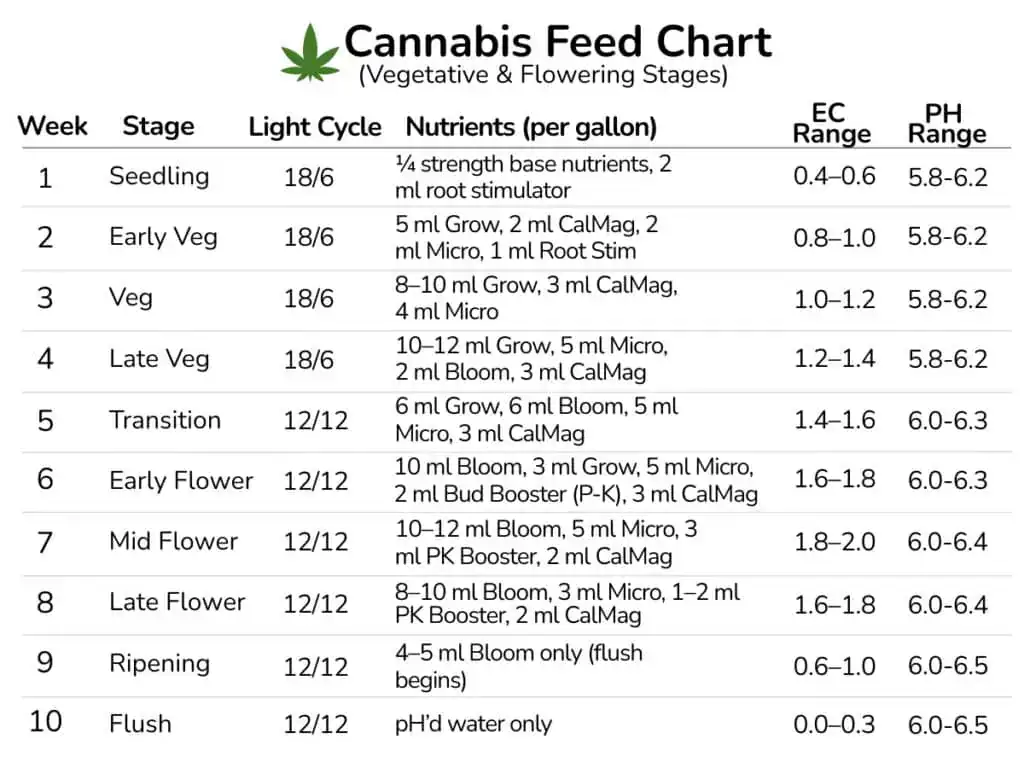
pH: 6.0–7.0 (soil), 5.5–6.5 (hydro/coco). EC starts low, ramps up.
6. Outdoor Cultivation (sativa & hemp types excel)
- Full sun (6–12+ hours), well-drained soil amended with compost.
- Plant after last frost; harvest before heavy rains.
- Kathmandu monsoon (June–Sep) increases mold risk → raised beds or greenhouse.


7. Harvesting
- Check trichomes with jeweler’s loupe or microscope: 70–90% milky + 10–30% amber for peak potency.
- Cut whole plant or branches; flush with plain pH’d water 1–2 weeks prior (improves taste).


8. Drying & Curing (2–8+ weeks)
- Dry: Hang upside down in dark, 18–24 °C, 45–55% humidity, gentle airflow (7–14 days until stems snap).
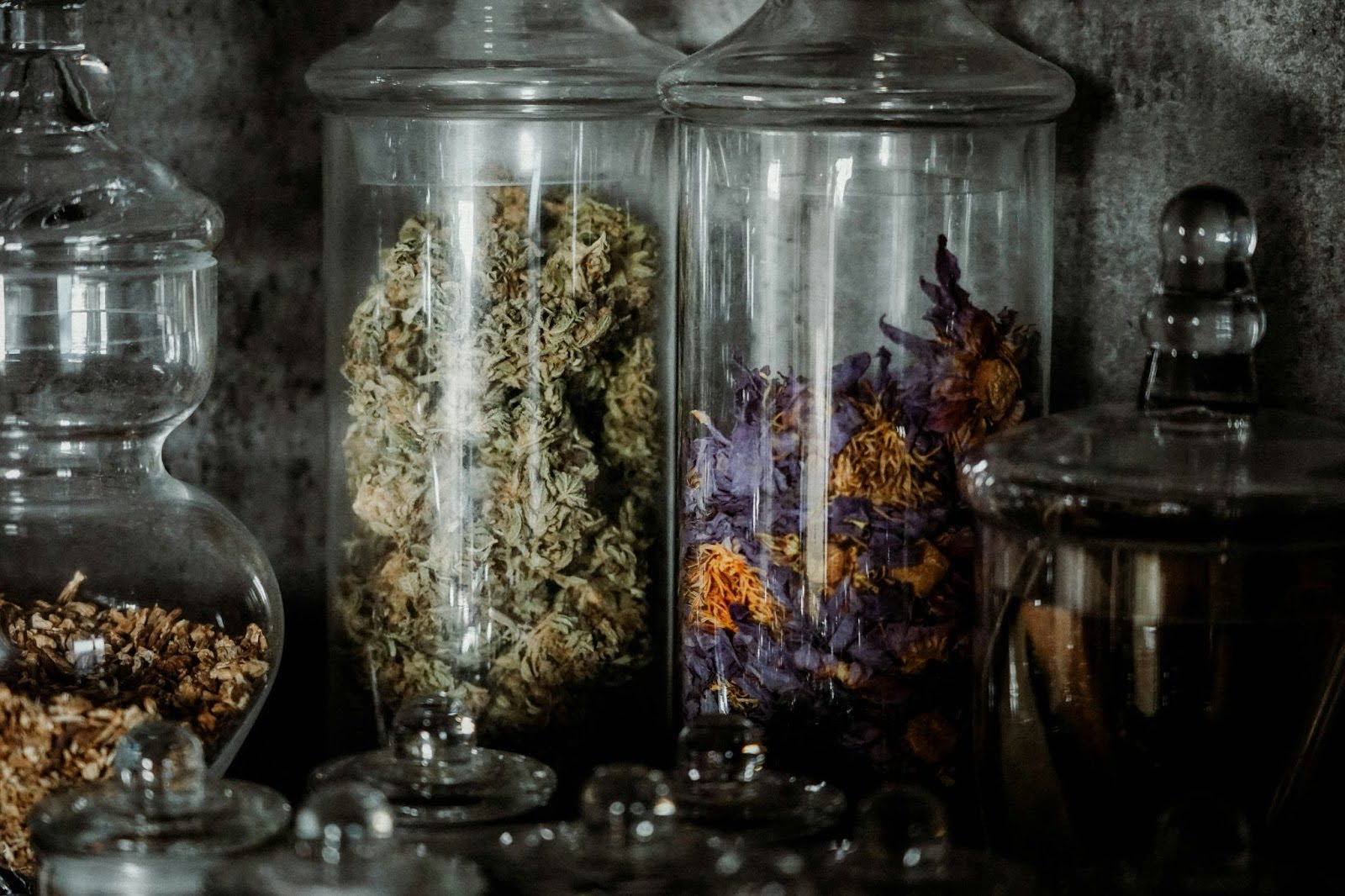
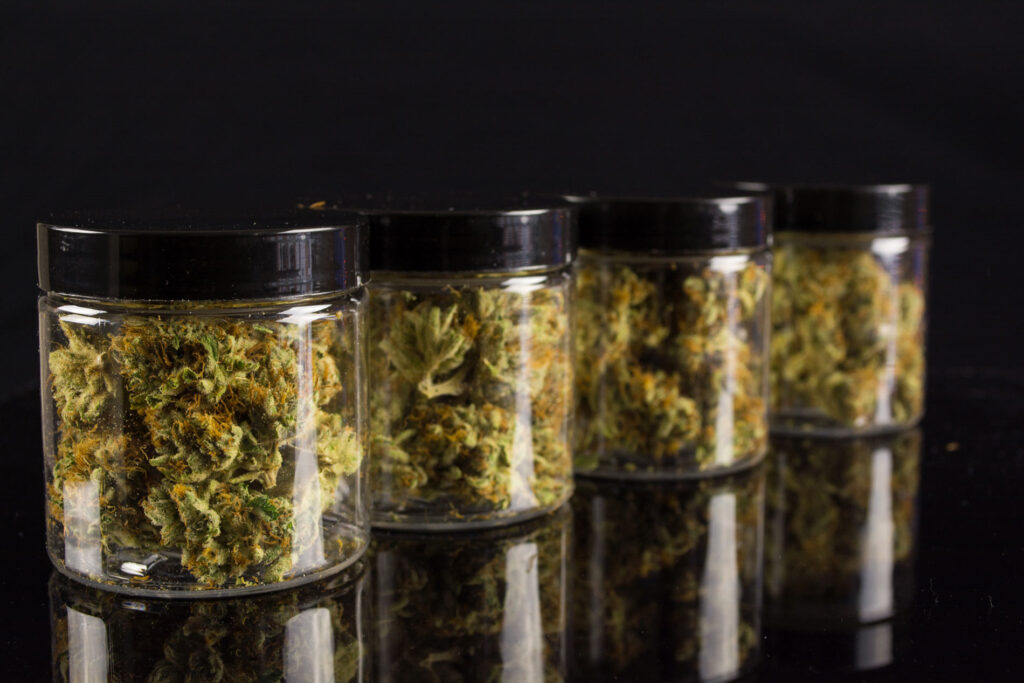
- Cure: Trim buds, jar (glass or CVault), burp daily for first 2 weeks, then weekly. Improves flavor, smoothness, and cannabinoid conversion.
Common Issues & Troubleshooting
- Nutrient deficiencies/excesses: Yellow leaves (N def), brown tips (nutrient burn), etc. (See chart above).
- Pests: Spider mites, aphids, thrips → neem oil, beneficial insects.
- Diseases: Powdery mildew, bud rot → improve airflow, lower humidity.
- Light stress / hermies: Avoid light leaks in flowering.
Yields & Expectations
- Indoor: 400–600 g/m² (good conditions).
- Outdoor: 100–500 g per plant (varies hugely).
- Ruderalis hybrids: Faster but often lower total yield.
Pro Tips
- Use full-spectrum LED lights (modern 300–600 W equivalents).
- Monitor VPD (vapor pressure deficit) for optimal transpiration.
- Lab test final product for cannabinoids (ties back to earlier profiles: indica often higher THC, sativa/hemp higher CBD).
- Organic living soil or hydro for different flavors/potency.

0 Comments